



When operating in the agricultural sector, selecting the right protective covering for your harvest and chemical supplies plays a foundational role in maintaining product integrity throughout long distribution chains. You must evaluate how external elements such as moisture, humidity, physical impact, and sunlight interact with your goods during transit and warehousing. This initial assessment of environmental conditions helps establish the baseline technical requirements needed to prevent spoilage, tearing, or chemical degradation before your merchandise reaches the end consumer.
Environmental Characteristics and Technical Requirements for Specialized Packaging
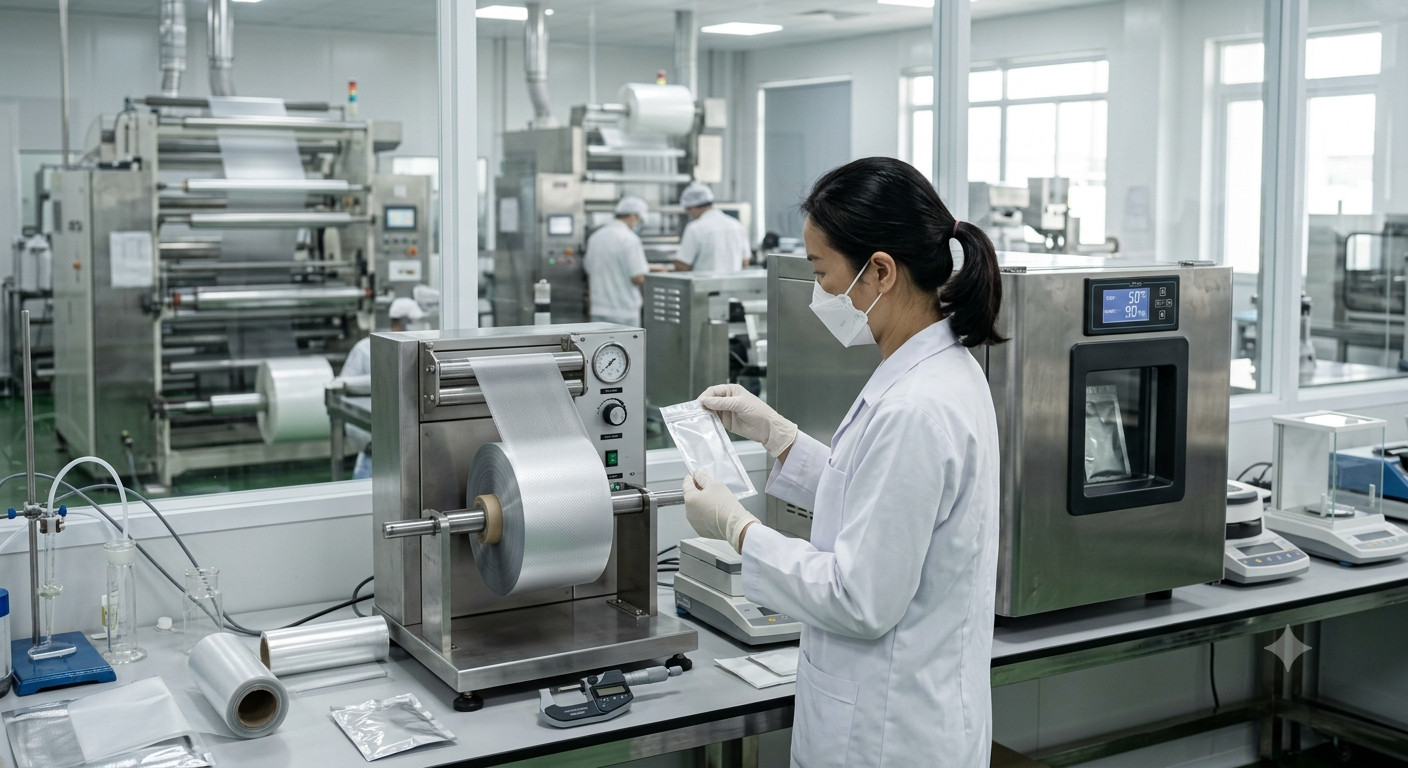
Every category of agricultural output and farming input demands specific protective properties to withstand logistical stress. Understanding these foundational needs allows you to configure containers that safeguard quality without inflating overhead expenses. By analyzing storage durations, transport distances, and climatic shifts, you can determine the exact mechanical strength and barrier properties required for your product lines.
Storage Requirements for Seeds and Dry Agricultural Produce
Seeds and dry grains are highly sensitive to moisture fluctuations, mold growth, and insect infestation during extended storage periods. You need to ensure that the materials selected offer reliable moisture barriers alongside adequate breathability when applicable, preventing condensation buildup that can ruin germination rates or nutritional value. Implementing multi-layer configurations helps shield sensitive grains from external humidity, while robust outer layers protect against punctures during stacking and mechanized handling. Maintaining a stable internal microclimate preserves the viability of seeds and the marketable grade of harvested crops over months of warehousing.
Packaging Standards for Fertilizers and Agricultural Chemicals
Fertilizers and agricultural chemicals present distinct chemical hazards and hygroscopic properties that demand rigorous containment standards. Many granular and powdered nutrients absorb atmospheric moisture rapidly, leading to caking, hardening, and loss of chemical efficacy if the outer shell fails. You must utilize materials equipped with specialized chemical-resistant liners or extrusion coatings that prevent corrosive compounds from reacting with the container or leaking into the environment. Furthermore, strong tensile strength and slip-resistant surface treatments are essential to ensure safe palletization and prevent ruptures during heavy industrial transport.
Common Materials and Production Cost Optimization Methods
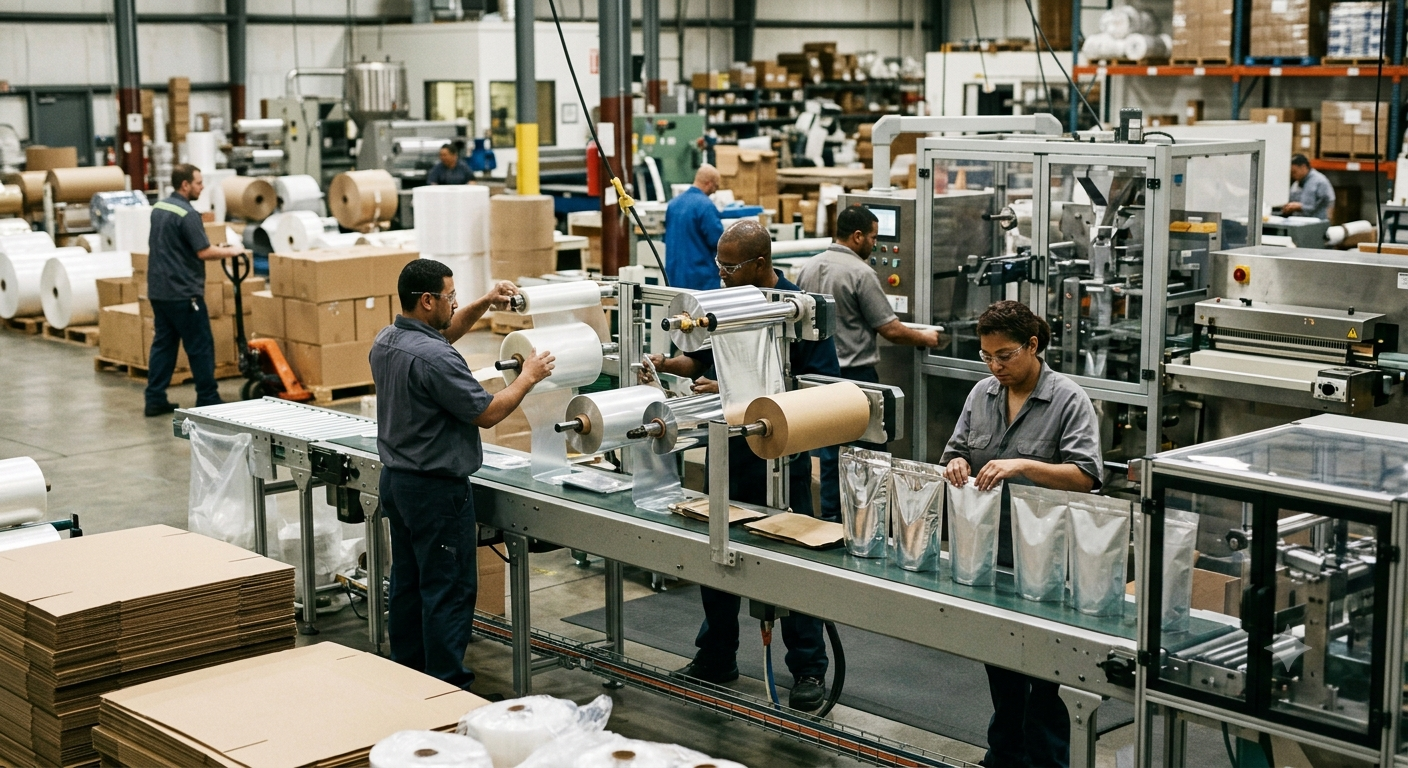
Balancing high protective performance with budget constraints requires a careful review of available manufacturing structures and printing techniques. You can achieve significant economies of scale by matching the exact material grade to the shelf-life and handling intensity of your goods, avoiding over-engineering while maintaining professional visual standards. Strategic choices in polymer blends and surface customization allow businesses to reduce unit costs without sacrificing durability or brand appeal.
Woven PP Structures Combined with BOPP Film
Integrating woven polypropylene (PP) fabric with oriented polypropylene (BOPP) film creates a high-performance packaging structure widely utilized for demanding agricultural goods. This hybrid configuration provides exceptional tear resistance and tensile strength through the woven core, while the external BOPP film offers a smooth, glossy surface ideal for high-definition brand printing. You benefit from superior moisture resistance and protection against ultraviolet degradation, ensuring your merchandise remains visually appealing and chemically stable even in harsh outdoor storage environments. This material choice represents an optimal balance between premium presentation and robust structural endurance.
Cost-Saving Solutions with Traditional Flexographic Printing
For operations seeking to minimize initial investment and production overhead, traditional flexographic printing on woven bags offers a highly efficient alternative. Flexo printing technology delivers rapid production speeds and lower setup costs, making it ideal for large-volume runs of standard agricultural commodities and bulk fertilizers. While offering simpler graphic fidelity compared to laminated film surfaces, modern flexo techniques still allow for clear branding, nutritional information, and handling instructions. You can leverage this method to streamline manufacturing expenses while maintaining clear, legible product identification across your supply chain.
Frequently Asked Questions About Agricultural and Fertilizer Packaging
General Assessment of Packaging Investment Strategies in the Agriculture Industry
Evaluating your long-term packaging strategy requires a comprehensive view of how material selection impacts both product safety and overall operational margins. By carefully aligning technical specifications with practical budgetary goals, you position your enterprise to withstand market fluctuations and supply chain challenges effectively. Investing in reliable, well-engineered protective solutions ultimately safeguards your brand reputation, minimizes product loss, and supports sustainable growth across the entire agricultural sector.
Contact information
CÔNG TY TNHH SẢN XUẤT THƯƠNG MẠI NGỌC YẾN
Address: B19/399 Trần Đại Nghĩa, Ấp 2, Xã Tân Nhựt, TP. Hồ Chí Minh
Hotline: 0336 943423
Email: congtyngocyen2020@gmail.com
Website: baobingocyen.com
